
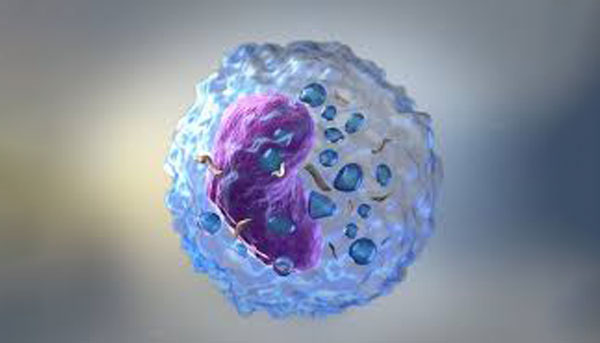
By optimizing cell sorting technology and innovating culture systems, the company has achieved efficient expansion and precise purification of NK cells, with a cell purity of over 98%—far exceeding the industry average. Meanwhile, through genetic modification and functional enhancement technologies, the specificity of NK cells in recognizing tumor cells and their killing efficiency have been significantly improved. The in vitro tumor cell killing rate reaches over 92.6%, and the cells possess the inherent advantages of "not damaging normal tissue cells and causing no severe immune rejection," resulting in superior safety and tolerability.
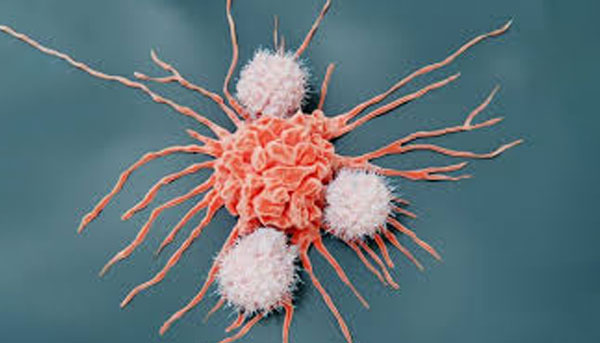
Through chimeric antigen receptor (CAR) technology, NK cells are directionally engineered to enable precise recognition of specific tumor targets. Meanwhile, the in vitro expansion system is optimized to enhance cell activity and persistence. These cells combine target specificity with broad-spectrum anti-tumor properties, allowing them to accurately target tumor cells while reducing off-target risks. They are particularly suitable for the treatment of refractory solid tumors with limited efficacy from conventional therapies, demonstrating stronger anti-tumor durability in clinical applications.
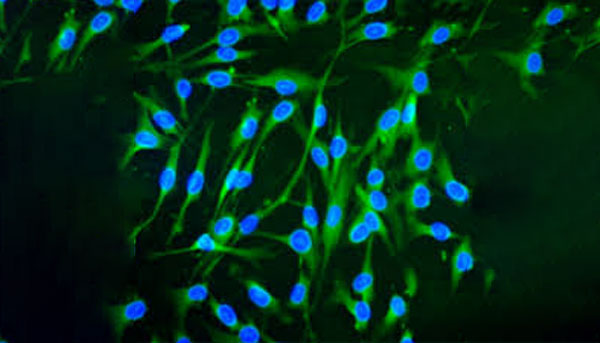
Relying on proprietary isolation and large-scale culture technologies, stable expansion of highly active cells is achieved. These cells possess core functions of multi-directional differentiation, immune regulation, and tissue repair, making them adaptable to various tissue damage repair scenarios. Additionally, they alleviate inflammatory responses by regulating the immune microenvironment, and are suitable for adjuvant treatment of multiple conditions such as degenerative diseases and autoimmune disorders, with better immune compatibility in allogeneic applications.
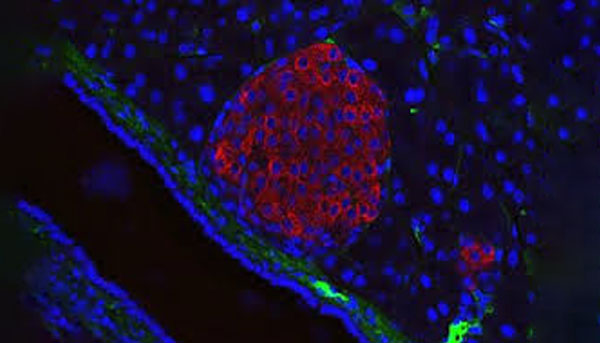
Through a directional induction and differentiation system, pluripotent stem cells are efficiently converted into functional pancreatic islet stem cells, which exhibit insulin secretion responsiveness similar to that of natural pancreatic islet cells. These cells can perform blood glucose regulation-related functions in physiological environments, helping to improve glucose metabolism disorders and providing a new source of functional cells for cell replacement therapy in diabetes.
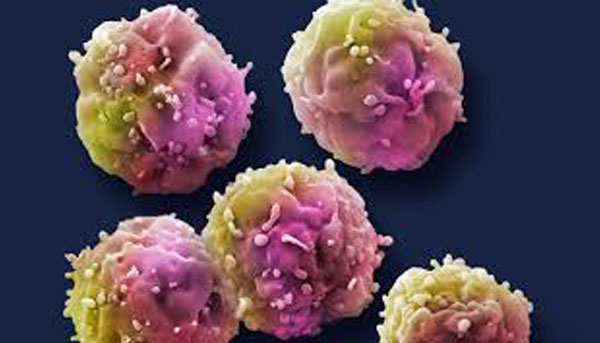
Stem cells are targeted modified using precise gene editing technology, which not only optimizes the core functional properties of the cells but also improves immune compatibility in allogeneic applications. The efficacy of these cells in tissue repair and damage resistance is enhanced, while potential risks in clinical applications are reduced, making them suitable for cell therapy scenarios in various severe diseases.